
110. Organoid Computing with Dr. Ewelina Kurtys
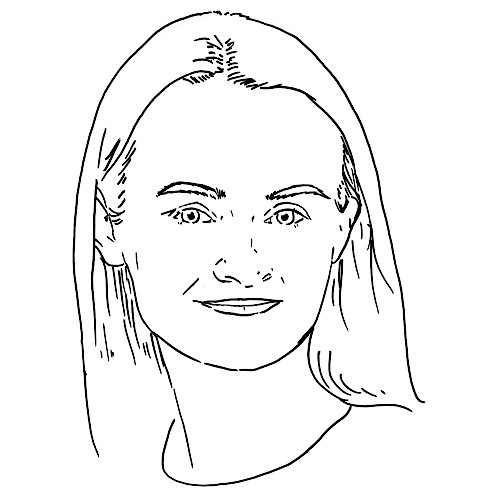
Podcast authors: Ben Byford and Dr. Ewelina Kurtys
Audio duration: 44:26 | Website plays & downloads: 8 Click to download
Tags: Wetware, hardware, Determinism, Organoid, Energy | Playlists: Hardware
Dr. Ewelina Kurtys specializes in turning advanced technologies into solutions companies can actually deploy. She works at the intersection of advanced research and real-world implementation. She currently works with Finalspark.
Ewelina's background is in neuroscience-driven technologies and multidisciplinary R&D environments, with hands-on involvement in commercialization, partnerships, and technical positioning. She regularly speaks with engineers, innovation teams, and technical decision-makers exploring how emerging technologies can be applied in practice.
This episode is sponsored by Airia.com - Meet Airia—the AI platform that empowers everyone on your team, from no-code beginners to pro developers, to innovate responsibly.

Episode host: Ben Byford
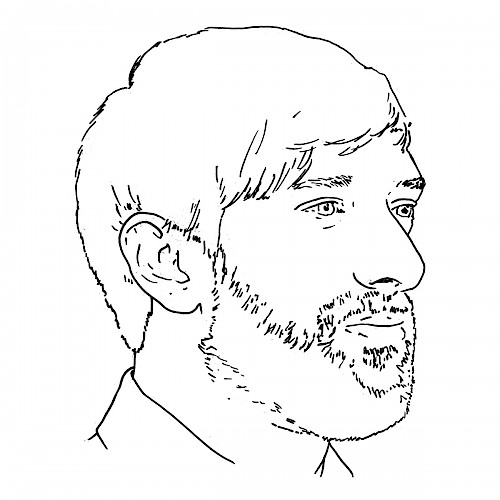
Ben Byford is a AI ethics consultant, code, design and data science teacher, games designer with years of design and coding experience building websites, apps, and games.
In 2015 he began talking on AI ethics and started the Machine Ethics podcast. Since, Ben has talked with academics, developers, doctors, novelists and designers on AI, automation and society. He is available for articles, talks and workshops.
Through Ethical by Design Ben and the team help organisations make better AI decisions leveraging their experience in design, technology, business, data, sociology and philosophy.